Transportation Solutions for People with Disabilities

Introduction:

For individuals with disabilities, transportation can often be a significant barrier to independence. Whether it’s commuting to work, visiting loved ones, or simply running errands, accessing reliable and accessible transportation is crucial. The ability to move freely and independently is fundamental to quality of life, and for many people with disabilities, transportation challenges can limit their opportunities and social participation. In recent years, there has been a growing recognition of the need to improve transportation accessibility for people with disabilities. This has led to advancements in technology, policy changes, and increased awareness. However, challenges persist, and many individuals still face significant barriers to accessing transportation.

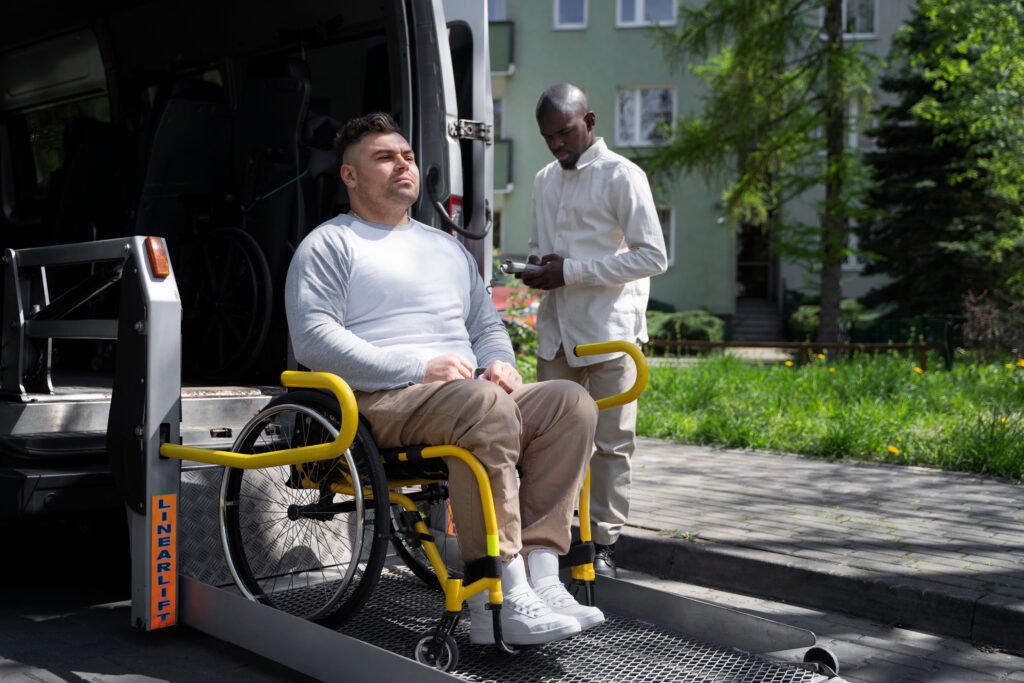
Public Transportation

Many public transportation systems are becoming more accessible to people with disabilities. Here are some key considerations: 

Financial Assistance:

For individuals and families, financial support can help cover essential expenses such as healthcare, housing, and education. Programs and schemes designed to provide financial assistance enable individuals to access necessary resources without undue stress.
  • Explore government-funded financial assistance programs such as the National Disability Insurance Scheme (NDIS).

  • Seek advice from community support organisations on accessing grants or additional financial aid.

  • Apply for disability support pensions or carer allowances to help with living costs.

Housing Assistance:

Accessing appropriate housing options is vital for individuals with disabilities to live independently and comfortably. Support systems ensure individuals can find safe, accessible, and affordable housing solutions.
  • Explore initiatives that assist with rental subsidies or accessible housing solutions.

  • Connect with housing support services for advice on home modifications and accessibility improvements.

  • Utilise housing programs designed to provide tailored accommodation options.

Healthcare Services:

Quality healthcare services play a critical role in supporting the well-being of individuals with disabilities. Accessing the right care, therapies, and medical resources ensures individuals can maintain their health and lead active lives.
  • Utilise programs that provide assistive equipment and technology to improve daily living.

  • Connect with specialists, therapists, and allied health professionals for tailored support.

  • Access Medicare and disability-specific health services for medical coverage

Education and Employment Services:

Vocational rehabilitation services, employment training programs, and inclusive education initiatives empower individuals to develop skills, pursue employment, and achieve greater independence.
  • Join employment support programs that help with training, job placement, and career development.

  • Access vocational education opportunities to build skills tailored to personal interests.

  • Engage with inclusive workplace initiatives that promote accessibility and equal opportunities for employment.

Conclusion:

Navigating social services and support systems is a key step toward empowering individuals with disabilities. By accessing financial assistance, appropriate housing, healthcare resources, and education or employment programs, individuals can lead enriched and fulfilling lives. With the right tools, networks, and guidance, individuals can overcome challenges and embrace opportunities for a more independent and inclusive future.