
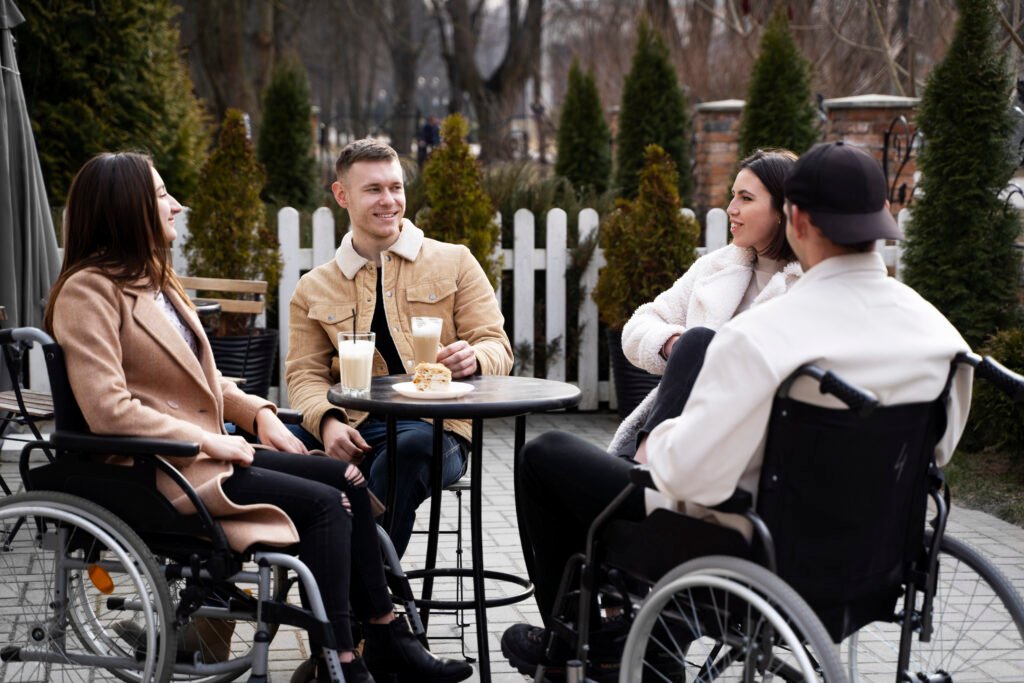
Connecting with Disability Communities

Introduction:

In the diverse and vibrant society of Australia, individuals with disabilities often encounter unique challenges. However, within these challenges lies an incredible opportunity: the power of connection. By fostering strong support networks, Australians with disabilities can unlock endless possibilities, empower themselves, and enrich their lives. This blog post explores the essential role of building strong support networks and offers practical tips on connecting within disability communities in Australia. A support network is more than just a group of individuals; it’s a lifeline offering emotional support, practical assistance, and a deep sense of belonging. It’s a sanctuary where people can share experiences, fears, and triumphs, knowing they are seen, heard, and supported.

The Indispensable Role of a Support Network:

A well-established support network can significantly enhance the quality of life for individuals with disabilities. Here are some of the key benefits:

Emotional Well-being:

Sharing experiences, fears, and achievements with others who genuinely understand can alleviate stress, anxiety, and feelings of isolation. Whether connecting through local disability groups, online forums, or community organisations like the National Disability Insurance Scheme (NDIS) provider network, emotional well-being is nurtured through shared understanding and care.
  • Participate in local disability support groups to share experiences.

  • Join online forums and social media groups focused on emotional well-being.

  • Access support services through NDIS providers for mental health and counseling.

Advocacy and Empowerment:

In Australia, a united front can advocate for the rights and needs of individuals with disabilities, ensuring equitable access to services, employment opportunities, and infrastructure. Through organisations like Disability Advocacy Network Australia and local initiatives, support networks empower individuals to speak up for themselves and the broader community.
  • Collaborate with advocacy groups to champion disability rights.

  • Educate others about accessibility issues in workplaces and communities.

  • Take part in events like Disability Awareness Week to raise your voice.

Practical Assistance:

Support networks play a critical role in providing practical help, whether it’s accessing healthcare, understanding NDIS plans, or navigating public transport. In Australia’s vast urban and rural areas, connecting with local support groups or disability services ensures individuals receive the practical help they need to lead more independent and fulfilling lives.
  • Seek support from NDIS coordinators to manage and utilise your plans effectively.

  • Connect with disability service providers for transport assistance and equipment.

  • Join programs that assist with employment and skill-building opportunities.

Reduced Social Isolation:

For Australians with disabilities, isolation can be a real concern, especially in regional and rural areas. Connecting with others who share similar experiences through comn:**munity centres, sports clubs, or disability support organisations fosters a strong sense of belonging and combats loneliness. Programs such as Ability Links NSW and Inclusive Community Programs create opportunities to build meaningful relationships.
  • Participate in community events, workshops, or inclusive sports programs.

  • Volunteer or engage in peer-support networks to foster connections.

  • Explore digital platforms that provide virtual support and social engagement.

Conclusion:

Building and nurturing support networks is essential for individuals with disabilities in Australia. By fostering emotional well-being, advocating for rights, and providing practical support, these networks create a positive and inclusive environment where everyone can thrive. Whether through national programs, local community initiatives, or online platforms, connecting with others empowers individuals to live full, enriched lives. Together, we can continue working towards a more inclusive Australia where every individual feels supported, connected, and valued.